
Truck Back Window Replacement in Houston: Sliding, Fixed & Heated Rear Glass
Truck rear windows come in more configurations than any other piece of automotive glass. This guide covers every configuration and what replacement involves for each.

Fixed
Bonded single pane — simplest replacement
Manual Slider
Horizontal track, latch, and gasket system
Power Slider
Motor, wiring harness, control module
Heated Glass
Defroster grid matched to electrical spec
| Configuration | What’s Involved in Replacement | Time Est. | Trim Level | Key Concern |
| Fixed
Stationary bonded pane Standard |
Single tempered pane bonded directly to the cab frame with urethane adhesive. No moving parts. The simplest and fastest replacement: cut the existing bead, remove glass and debris, prep and prime the frame, bond new glass, and allow cure. Weather stripping around the perimeter should be inspected and replaced if hardened. | 30–45 min + cure | Work trims, base models, and older trucks | Frame rust on high-mileage trucks; adhesive bond quality |
| Manual Slider
Sliding center panel on track Standard |
The center panel slides horizontally along a track for ventilation and pass-through. The track, guide gaskets, and latch mechanism are all part of the assembly. Replacement involves sourcing a complete assembly rather than glass alone, and inspecting the existing cab frame mounting points for wear or corrosion before the new assembly is seated and sealed. | 60–90 min | Mid-range trims; many truck generations | Track and latch condition; gasket seal integrity |
| Power Slider
Motorized dash-controlled slider Premium |
Found on higher-trim pickups — F-150 Lariat and above, Silverado LTZ, RAM Laramie and above. The center panel is motorized and controlled from the dashboard or a switch panel. Replacement includes the glass assembly, the DC motor, the wiring harness connection, and, in some cases, the control module. The motor and wiring circuit must be tested before and after installation to confirm full-travel operation and auto-reverse function, where applicable. | Up to 2 hours | F-150 Lariat+, Silverado LTZ+, RAM Laramie+ | Motor, wiring harness, and control module compatibility |
| Heated Glass
Embedded defroster grid Add-On |
Defroster wires or a printed conductive grid are baked directly into the glass during manufacturing. When the glass breaks, the entire defroster circuit goes with it. Replacement glass must match the original defroster configuration — the electrical connector tab position, the number of grid lines, and the bus bar location all need to match the vehicle’s wiring harness connection points. Before the vehicle is returned, the defroster circuit is tested for full activation across the grid. | Adds 20–30 min | Most trucks with an available heated rear glass option | Defroster spec match; connector tab alignment; circuit test |
Many trucks carry a combination; for example, a power slider with heated glass. Matching replacement glass to the exact trim level, cab configuration, and option set is critical. A non-heated fixed pane will not satisfy the mounting geometry or electrical connections of a heated power slider assembly, regardless of how close the glass dimensions appear.

30–120
Minutes by configuration

Must Match
Defroster & electrical spec

Tempered
No repair — replacement only
COMMON DAMAGE CAUSES
Why Truck Rear Windows Break More Often Than You’d Expect
Truck rear windows face risks that passenger car rear glass largely avoids. The combination of open cargo bed, work-site use, and towing activity creates a specific damage profile that is worth understanding, particularly because some of the most common causes are preventable with minor adjustments to how the truck is loaded and used.
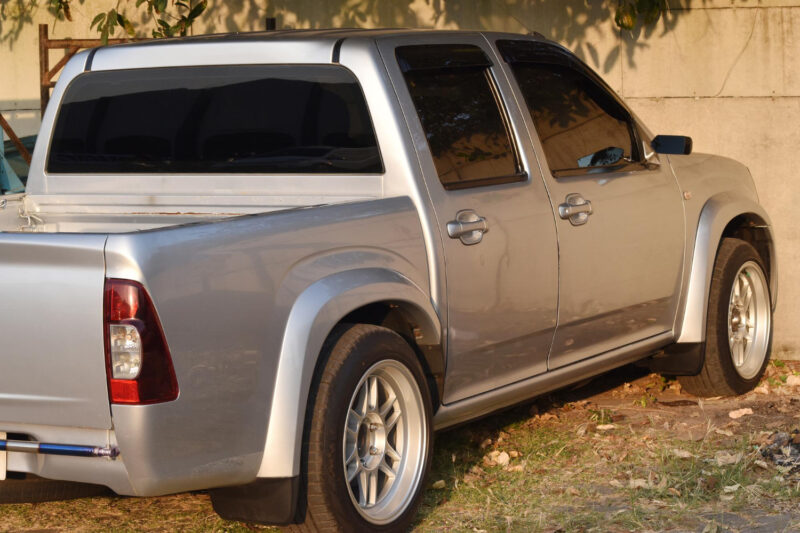
Common risks include:
1: Cargo Shift in Bed
Loose items in the bed, especially ladders, pipes, or toolboxes without tie-down straps, can travel forward under hard braking and impact the rear cab window from inside the bed. This is among the most common causes of fixed rear window damage on work trucks.
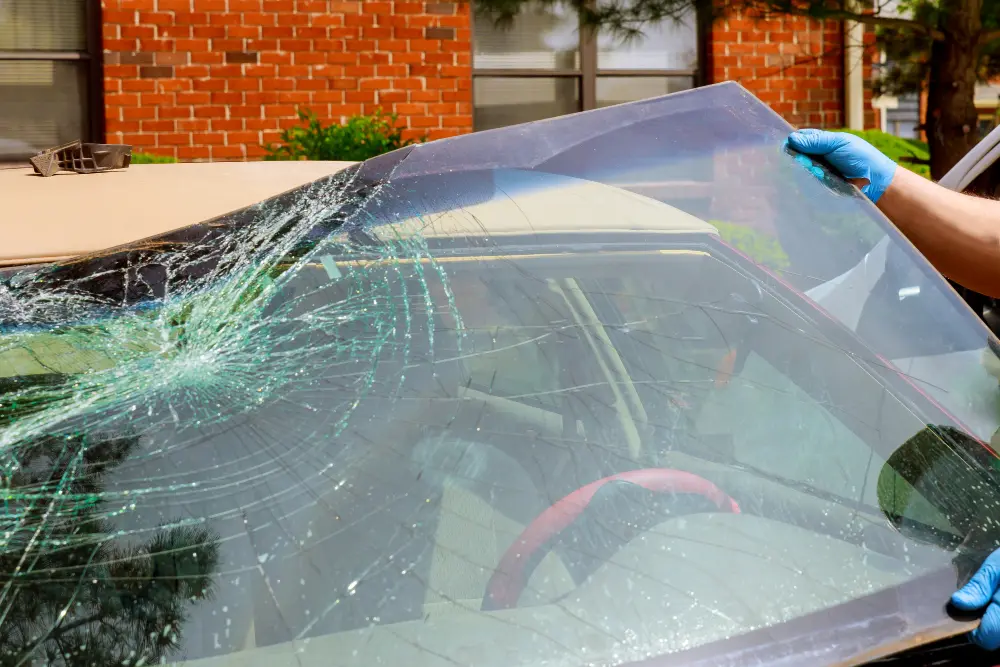
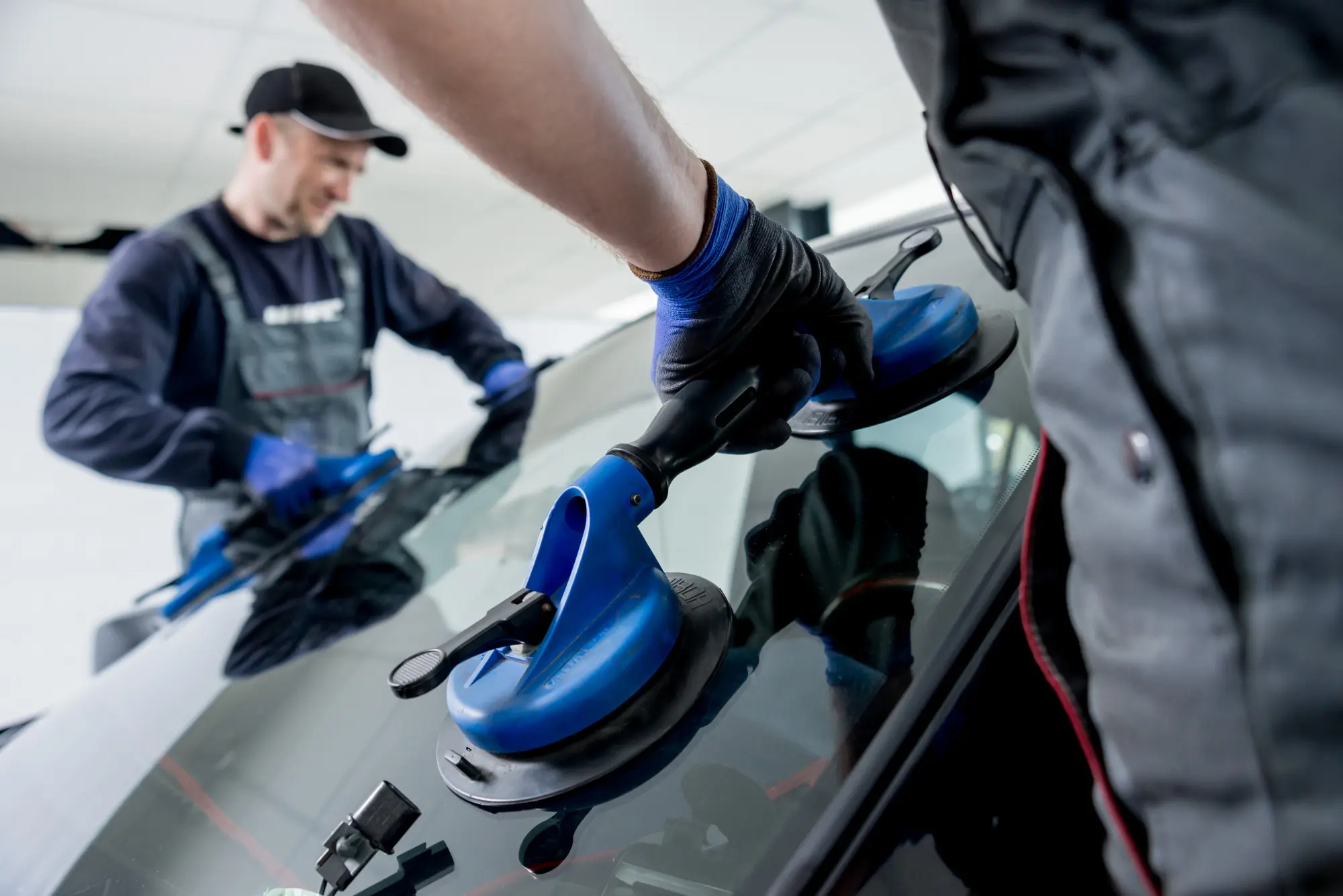
2: Trailer Hitching and Towing Vibration
The cab transfers road vibration from towing differently than the body panels, and over time, that sustained vibration can propagate micro-cracks through the cab corner areas where glass meets frame. A cracked slider gasket accelerates this by allowing glass-to-frame contact where there should be cushion.
3: Towing Wind Turbulence and Debris
When towing a trailer, the aerodynamic turbulence between the truck and trailer creates a zone of circulating debris at the rear of the cab. At highway speeds, this turbulence can throw gravel and road debris backward.

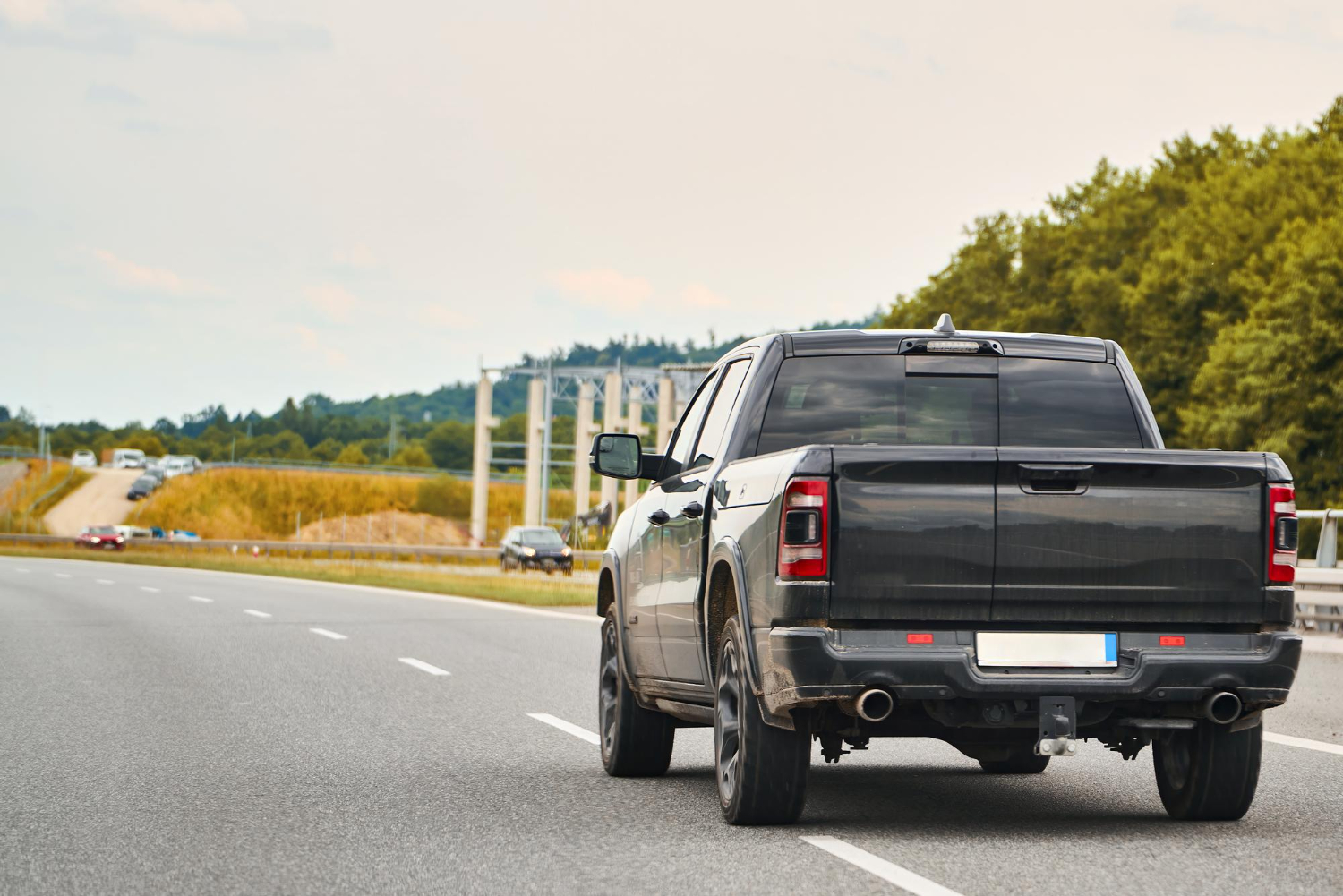
4: Defroster Grid Thermal Stress
Turning on the rear defroster on a glass pane that has even minor micro-damage — a tiny chip or surface scratch invisible to the naked eye — can trigger a spontaneous fracture. The conductive grid heats the glass unevenly around the damage site, and the thermal stress cracks out from there. This is not a defect in the defroster but a characteristic of tempered glass under thermal load with existing damage.
5: Break-Ins
Truck rear windows provide direct access to the cab interior and are frequently targeted in vehicle break-ins. The sliding variants are particularly vulnerable because the latch mechanism can sometimes be forced open. This is why replacing a broken slider assembly also means replacing and testing the latch hardware, not just the glass.

REPLACEMENT CONSIDERATIONS
Getting the Replacement Right: What to Verify Before Installing
The most common mistake in truck rear window replacement (whether done by a shop or a vehicle owner) is sourcing glass by dimensions alone. Physical size is only one of several variables that determine whether a replacement glass will function correctly in your truck.
Client Testimonials
These guys did a great job on repairing/replacing the driver-side glass on my Mercedes SL550. The prices were very competitive, and they really went over the top on accommodating my weird scheduling. Truly 5-Star! Thanks guys…BTW, the shop/showroom was immaculate!
I had my car’s windows tinted here, and I’m beyond happy! The service was fast, and the tint is high quality. It really helps with glare and heat. Definitely recommending them to friends.
I don’t ever write reviews, but I wanted to make sure I shared my experience with these guys. Best price in the city, extremely quicker than everyone else estimated, and they did a great job. They even vacuumed the residue of the glass from under my seat. Would definitely recommend them!
01
Confirm Cab Configuration and Trim Level
Regular cab, extended cab, and crew cab truck configurations use rear glass with different dimensions, even on the same model line. Within those configurations, trim level determines whether the glass is fixed or a slider, and whether it carries a heated defroster. Providing your VIN when you call eliminates sourcing ambiguity entirely.
02
Match the Full Defroster Specification
For heated glass, the replacement must match not just whether a defroster is present, but the connector tab configuration and grid layout. Tab positions and bus bar locations vary by manufacturer and model year. A glass pane from a different model year that looks identical may have an incompatible electrical connection point, leaving the defroster non-functional after installation.
03
Test Motor and Wiring on Power Sliders Before Installing New Glass
On power slider trucks, the motor, wiring harness, and switch circuit should be tested before the new glass assembly is installed. Installing new glass onto a failed motor assembly means the slider will be inoperable from day one, requiring a second disassembly to diagnose what should have been checked first. We run this diagnostic as part of the replacement process for every power slider job.
04
Inspect Track and Gasket Condition on Slider Variants
For manual and power sliders, the track that guides the sliding panel and the rubber gaskets that seal it against weather and wind noise are wear items independent of the glass itself. Replacing glass while leaving a worn track or cracked gasket means the new assembly will develop wind noise and water infiltration within a short time. We inspect and replace track and gasket hardware as part of any slider replacement.
A note on tempered glass and repairability: Truck rear windows — whether fixed, sliding, or heated — are all made from tempered safety glass. When they break, they shatter into fragments. There is no resin repair process for tempered glass. Every broken truck rear window requires full replacement of the glass assembly, and in the case of slider and heated variants, the associated hardware that comes with it. For front windshield glass, which is laminated and can sometimes be repaired, see our truck windshield replacement page.
FREQUENTLY ASKED QUESTIONS (FAQs)
Can a broken truck rear sliding window be repaired rather than replaced?
No. All truck rear windows, whether fixed, sliding, powered, or heated, are made from tempered safety glass. When tempered glass breaks, it shatters into thousands of small fragments. There is no intact glass surface to apply resin to, and the tempered structure cannot be rebuilt. The entire assembly must be replaced: glass, track, gaskets, and, for power sliders, the motor and wiring connections. Resin repair is only applicable to laminated glass, such as windshields, which crack but hold together. For side window repair on door glass, the same tempered-glass rule applies.
Will my rear defroster work correctly after replacement?
Yes, provided the replacement glass carries the correct defroster specification for your truck. We verify the connector tab configuration, grid layout, and bus bar position against your vehicle’s wiring harness before sourcing the replacement glass. After installation, the defroster circuit is activated and tested across the full grid before the vehicle is returned. A defroster that warms unevenly or fails to activate at all after installation is a sign of a specification mismatch or an electrical connection issue, both of which we catch before you drive away.
How long does truck rear window replacement take, and does it depend on the type?
Yes, time varies significantly by configuration. A fixed rear window replacement takes 30 to 45 minutes for the installation plus cure time. A manual slider runs 60 to 90 minutes because the complete assembly must be removed, the track and gasket hardware inspected and replaced as needed, and the new assembly sealed and tested. A power slider can take up to two hours when motor diagnostics, wiring harness testing, and full-travel cycle testing are included. Heated glass adds 20 to 30 minutes to any of those base times for defroster circuit testing and verification before release.
A PLUS AUTO GLASS · TRUCK REAR GLASS · HOUSTON, TX
Fixed, Slider, Power, or Heated — We Source and Install All.
We match the configuration to your exact trim level and VIN. The defroster circuit is also tested before return. Insurance handled.
A Plus Auto Glass stocks and sources rear windows for all truck configurations — fixed, slider, power, and heated. For truck front windshields, see our truck windshield replacement page. For car rear glass, see our car rear windshield replacement guide. For door glass, see our side window repair page.