
Houston Rear Windshield Replacement: What to Know About Back Glass
When rear glass breaks, there’s no repair option — tempered glass
shatters completely. Replacement must match your vehicle’s defroster
grid, antenna lines, and rear camera configuration.
KEY FACTS

Always Full Replacement
Tempered glass cannot be repaired — ever
Replacement must match the grid configuration
Plus 30–60 min adhesive cure
Moisture compromises urethane adhesive
Back Glass: More Than Just a Window
The rear windshield does more than provide a view behind you. It’s a structural component — bonded to the vehicle body with urethane adhesive, it contributes to the rigidity of the rear roof structure. It serves as weather protection against rain, wind, and debris kicked up from the road surface. And in most modern vehicles, it contains an embedded defroster grid that clears condensation and frost from the glass electrically; a grid that exists nowhere except in that specific piece of glass.
When it breaks, from a rear-end impact, hail, vandalism, a cargo item shifting in an SUV or hatchback, or the thermal shock of running a defroster on ice-cold glass, the outcome is always the same: full replacement. There is no repair option for rear glass, and understanding why begins with the material it’s made from.
If you’re familiar with front windshield replacement, the rear process shares some structural similarities, including urethane bonding, cure time, pinch weld preparation, but the glass type, defroster integration, and the absence of ADAS calibration requirements make it a meaningfully different job. Both require precision; neither can be rushed.
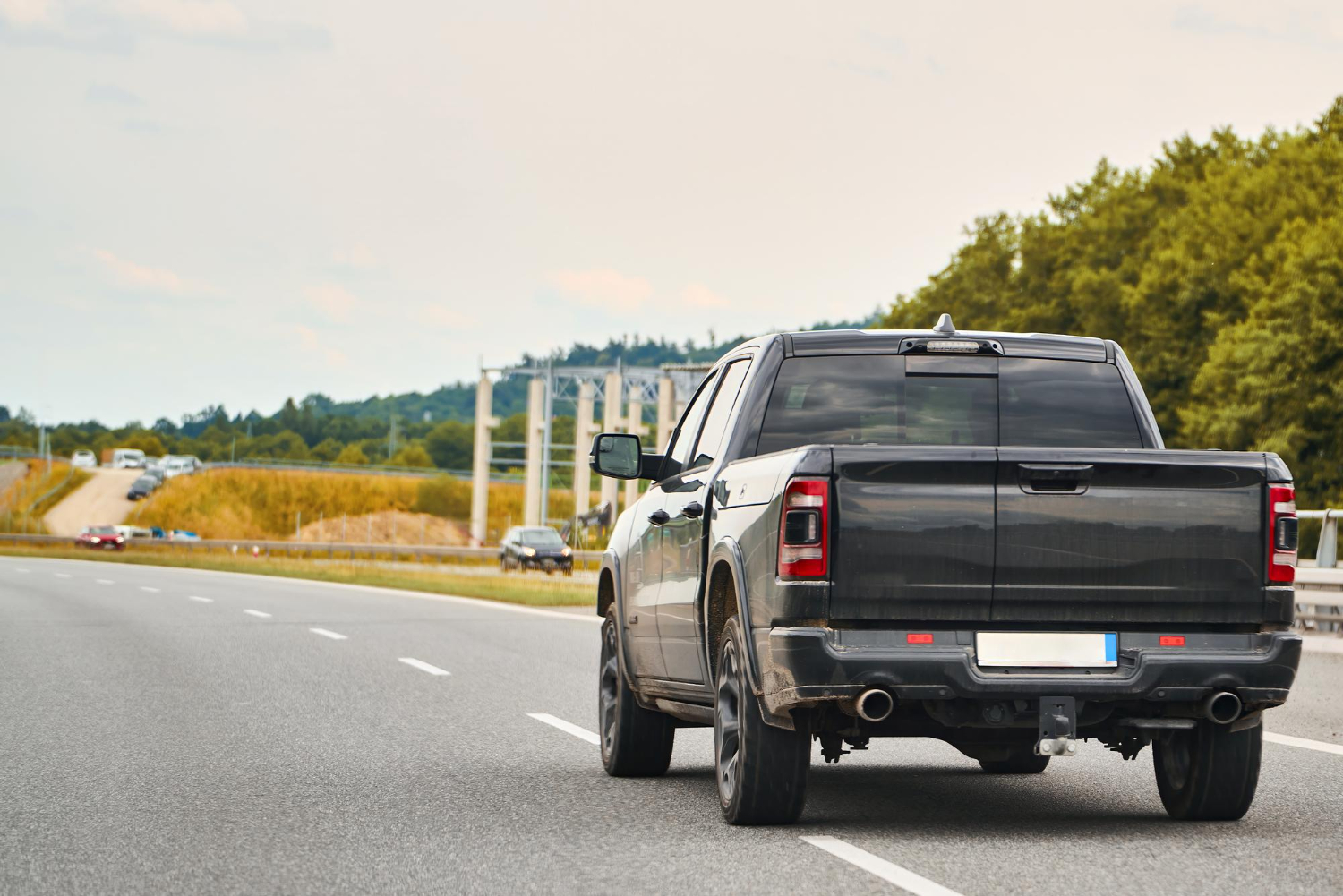
01 — GLASS TYPE
How Rear Glass Differs from the Front Windshield
The front-to-rear comparison matters because it’s the source of one of the most common misconceptions in auto glass: that a crack or chip in a rear windshield might be repairable. It isn’t, and the reason comes down to fundamental glass chemistry.
|
Property |
Front Windshield |
Rear Windshield |
|
Glass Type |
Laminated (two glass layers + PVB interlayer) |
Tempered (single heat-treated layer) |
|
Break Behavior |
Cracks but stays largely intact — interlayer holds it |
Shatters into thousands of small, blunt fragments |
|
Chip/ Crack Repair |
Possible — resin injection for small damage |
Never — replacement only |
|
Defroster Grid |
None (front defroster is HVAC) |
Embedded wires or printed conductive grid in glass |
|
ADAS/ Camera |
Common — camera mounts behind glass, requires recalibration |
Rare — some vehicles have rear backup cameras nearby |
|
Antenna Lines |
Rare |
Present on some vehicles (AM/FM embedded in glass) |
|
Structural Role |
High — roof bow support, rollover protection |
Moderate — rear structure and weather seal |
02 — EMBEDDED FEATURES
Defroster Grids, Antenna Lines & Rear Cameras
What makes rear windshield replacement more nuanced than a straightforward glass swap is the range of functional systems integrated into or mounted near the glass itself. Each one requires specific attention during replacement to ensure the vehicle leaves in full working condition.

Rear Defroster Grid
Most rear windshields have a defroster system built directly into the glass — either thin embedded wires or a printed conductive grid fired onto the surface. When the glass shatters, the defroster is destroyed with it. The replacement glass must have a matching grid configuration and the correct connector points for your vehicle’s electrical system. We test every defroster connection before the vehicle leaves the shop.
Antenna Lines
Some vehicles embed AM/FM antenna lines in the rear glass alongside the defroster grid; they look nearly identical to defroster wires but serve a different function. Replacement glass must preserve these lines, and the antenna connector must be properly reconnected during installation. Failure to reconnect it results in degraded or absent radio reception. We check for antenna integration during the pre-installation assessment.
Rear-Facing Cameras
Unlike front windshields, rear glass itself rarely carries ADAS cameras. However, many vehicles mount the backup camera in the trim immediately above or below the rear glass. If that trim assembly is disturbed during replacement, or if the camera mount is bonded to the glass frame, the camera aim may shift slightly. We verify the rear camera function and alignment after replacement on all applicable vehicles.
03 — DAMAGE CAUSES
Common Causes of Rear Windshield Damage
Rear windshields are exposed to a different set of stress factors than the front. The following are the most frequently encountered causes in our Houston-area service work, along with what distinguishes each in terms of the resulting damage pattern.
Rear-End Collision
Impact force transmitted through the body causes immediate shattering. Often presents with frame damage that must be addressed before the glass is reinstalled.
Hail
Multiple simultaneous impact points. Common in the Houston spring storm season. Usually requires full replacement rather than individual chip repair (which isn’t possible for rear glass, regardless).
Vandalism
Deliberate single-strike break. Comprehensive insurance typically covers this. File a police report before submitting the claim.
Thermal Shock
Running the rear defroster at full power on an extremely cold glass panel can create rapid internal stress. More common in cold climates, but can occur in Houston after unseasonably cold overnight temperatures.
Road Debris
Rocks, metal fragments, and debris are thrown by vehicles ahead, particularly on highways and near construction zones. The rear glass faces direct exposure from the road surface behind.
Cargo Impact
SUVs and hatchbacks are particularly susceptible; a shifting load during braking or a hard stop can send cargo into the rear glass from inside. Common with sports equipment, tools, and unsecured items.
04 — REPLACEMENT PROCESS
The Rear Windshield Replacement Process
| 8-Step Replacement Sequence · A Plus Auto Glass | |
| 01 | Safe Glass Removal Shattered glass and debris are carefully removed from the vehicle interior. Rear seats and cargo areas are protected during this step, particularly for SUVs and hatchbacks, where glass fragments scatter into the cargo area and can become embedded in carpet. |
| 02 | Thorough Cavity Cleaning Rear deck, defroster vent grilles, and speaker grilles are cleared of all glass fragments. Fragments that enter speaker grilles and defroster channels cause lasting noise and potential electrical issues if not removed completely at this stage. |
| 03 | Frame Inspection and Preparation The frame and pinch weld are inspected for rust or corrosion before the old adhesive is trimmed. Any corrosion found is treated at this stage, since bonding over corroded metal results in a compromised seal that fails prematurely. In Houston’s humidity, this step occasionally reveals rust that isn’t visible until the old glass is off. |
| 04 | Prime Frame and Glass Surfaces Both the prepared frame perimeter and the new glass edge are primed. Urethane adhesive bonds to primer, not to bare glass or raw metal. This step is not optional for a structurally sound installation. |
| 05 | Bond New Tempered Glass The urethane adhesive bead is applied in a continuous, consistent profile around the frame perimeter, and the new glass panel is set into position with proper pressure and alignment. Adhesive consistency matters because gaps or thin spots in the bead create future leak points. |
| 06 | Connect and Test Defroster The defroster connector is reconnected and the full grid is tested under power before the vehicle is returned. Each defroster line is checked for continuity since a broken line in new glass is a manufacturing defect that needs to be caught at installation, not discovered on the first cold morning. |
| 07 | Verify Rear Camera Alignment Where applicable, rear-facing cameras are inspected for correct aim after installation is complete. Camera mounts attached to rear trim that was disturbed during replacement may require re-aiming. |
| 08 | Adhesive Cure The vehicle observes its specific adhesive cure window (typically 30 to 60 minutes) before highway driving is safe. We provide the exact drive-away time at pickup. The cure window protects the structural bond and allows the adhesive to reach full strength before the glass is subjected to wind load at speed. |
Client Testimonials
These guys did a great job on repairing/replacing the driver-side glass on my Mercedes SL550. The prices were very competitive, and they really went over the top on accommodating my weird scheduling. Truly 5-Star! Thanks guys…BTW, the shop/showroom was immaculate!
I had my car’s windows tinted here, and I’m beyond happy! The service was fast, and the tint is high quality. It really helps with glare and heat. Definitely recommending them to friends.
I don’t ever write reviews, but I wanted to make sure I shared my experience with these guys. Best price in the city, extremely quicker than everyone else estimated, and they did a great job. They even vacuumed the residue of the glass from under my seat. Would definitely recommend them!
Rear Windshield Gone?
Same-Day Replacement Available.
We stock defroster-matched rear glass for most Houston-area makes and models. Defroster function and camera alignment tested before you leave. Insurance claims handled: comprehensive coverage applies to weather damage and vandalism.
Contact Us to Schedule Rear Windshield Replacement.
RELATED SERVICES
Front Windshield Replacement
Truck Rear Window Replacement
Side Window Repair
FREQUENTLY ASKED QUESTIONS (FAQs)
Can a rear windshield be repaired, or does it always need replacement?
Rear windshields cannot be repaired. Unlike front windshields, which use laminated glass that holds together when cracked and can sometimes be filled with resin, rear glass is made from tempered glass that shatters completely into small blunt fragments on significant impact. Once it breaks, the entire panel must be replaced. There is no chip repair or crack injection process applicable to rear glass.
Will my defroster work after rear windshield replacement?
Yes, provided the replacement glass includes a matching defroster configuration. Rear defroster grids are embedded in or printed onto the glass itself, so they cannot be transferred from old glass to new. The replacement panel must have the correct grid pattern and connector points for your vehicle. We test the defroster function before returning any vehicle after rear glass replacement.
Can rear windshield replacement be done in rain?
Ideally not. Urethane adhesive requires a dry surface to bond correctly, and moisture present during application compromises the seal quality and structural integrity of the installation. If weather is a concern on the day of your appointment, we’ll either work in a covered area or reschedule to ensure the installation meets our standards.
How long does rear windshield replacement take?
The replacement work itself typically takes 45 to 60 minutes for most vehicles. After installation, the urethane adhesive requires an additional 30 to 60 minutes of cure time before the vehicle is safe to drive at highway speeds. We’ll give you the specific cure window for your vehicle; it varies slightly depending on adhesive type and ambient temperature.
Schedule Your Service in Houston, TX Today!
A Plus Auto Glass provides rear windshield replacement with defroster-matched glass for all vehicle makes. Rear glass is tempered and cannot be repaired — see our front windshield guides for repairable crack and chip damage.